









Ancient

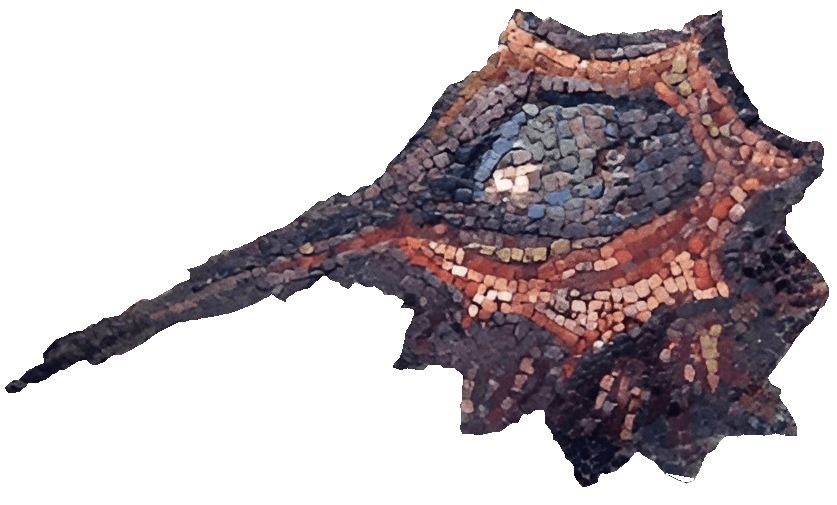
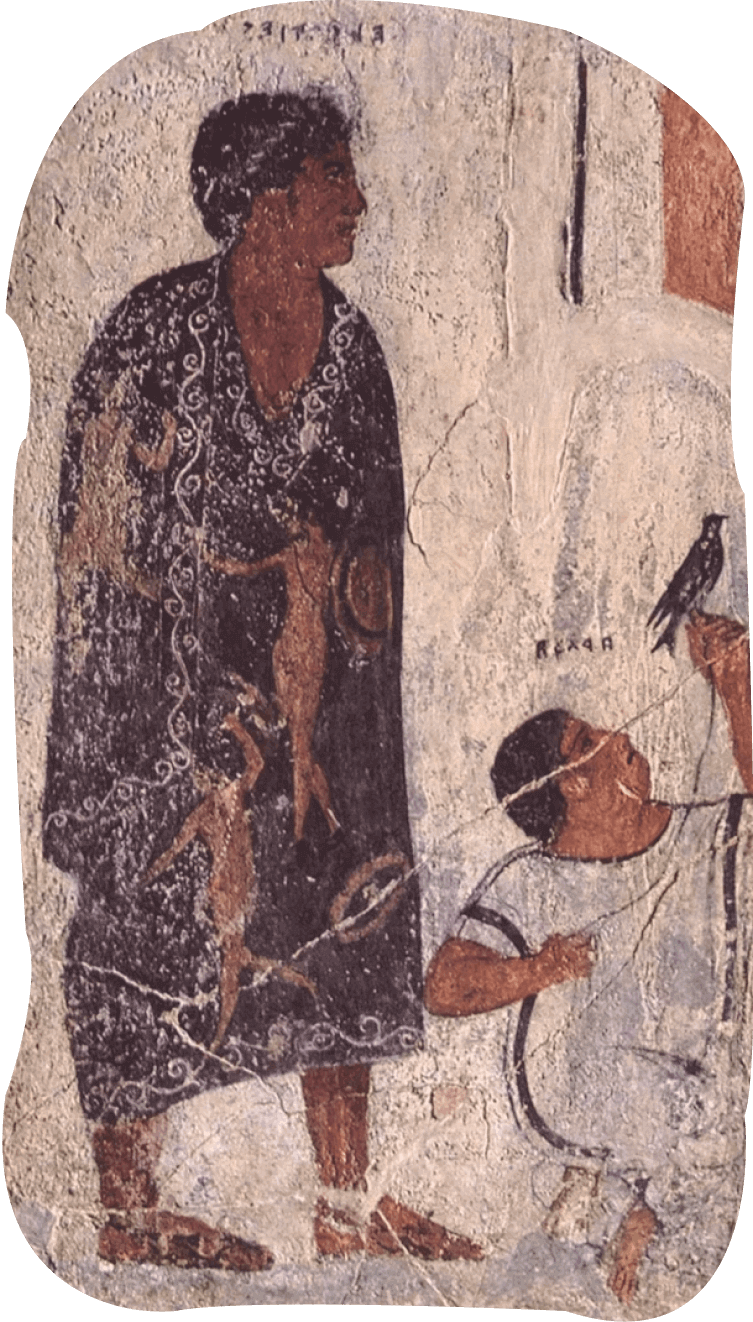
In the Mediterranean region, purple dye was produced from ancient times and until the 15th century. It was known to the ancient Greeks, Etruscans, Romans, Byzantines, but the most famous of them were the Phoenicians.
Fabrics from Tyre, the capital of Phoenicia, were prized above others because they were bright and slow to fade.
Luxurious
Products made of purple wool or silk cost fabulous sums of money. It is known that in the reign of Emperor Augustus, who lived at the turn of our era, for 1 kg of wool 2000 denarii were paid. That was the salary of a Roman legionary for 6 years of service.
Because of its rarity and high price, purple quickly became the color of the rich and upper classes.
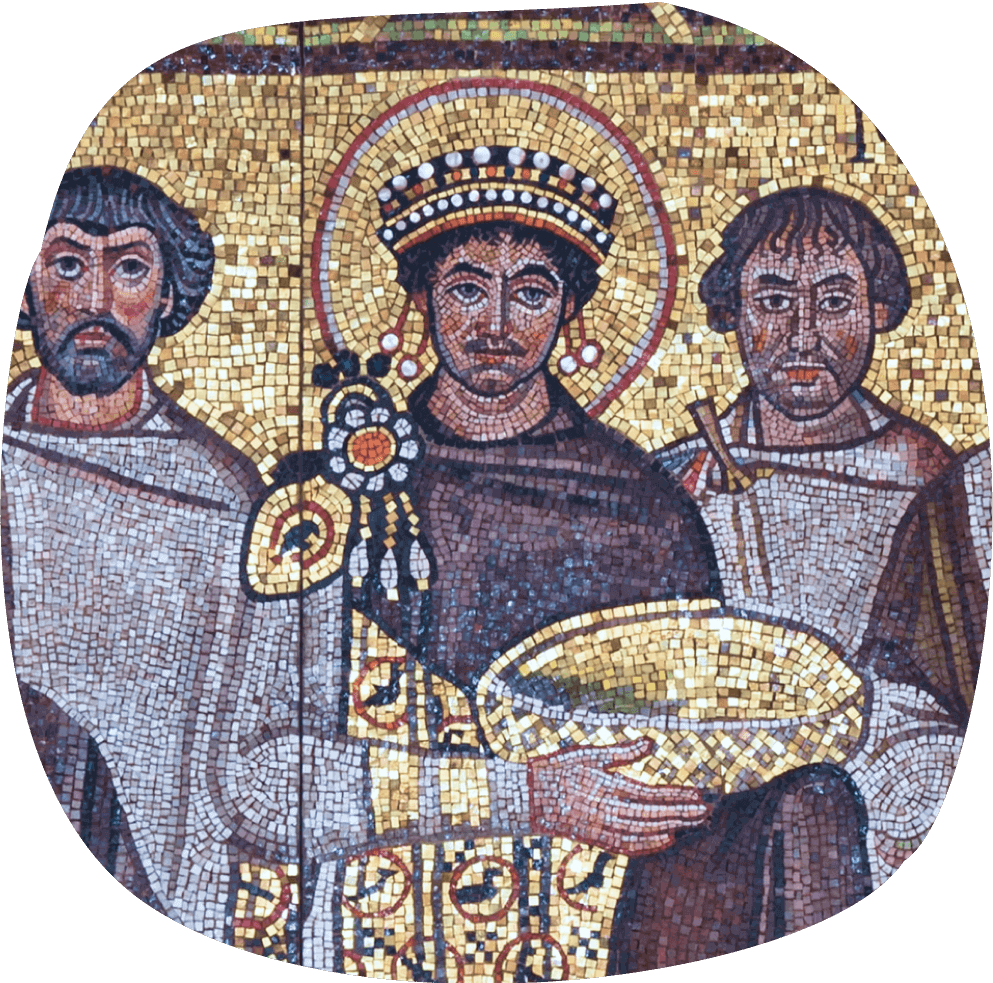
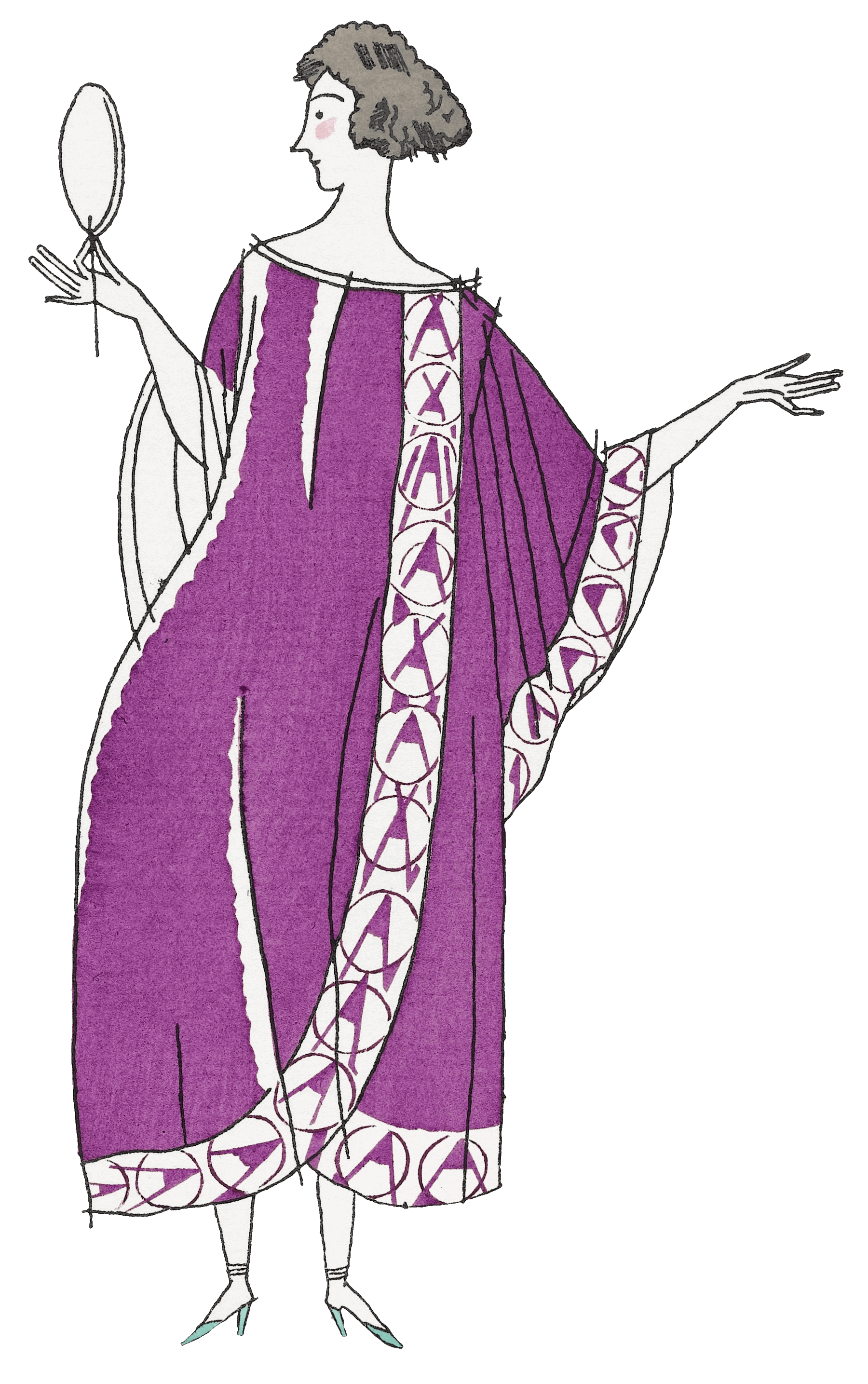
Ancient Roman senators and horsemen wore purple stripes as a sign of distinction, while only the emperor and the triumphant commander could wear a purple toga.
It was forbidden for others to wear entirely purple clothing from the time of Julius Caesar, and over time purple became firmly associated with the emperor.
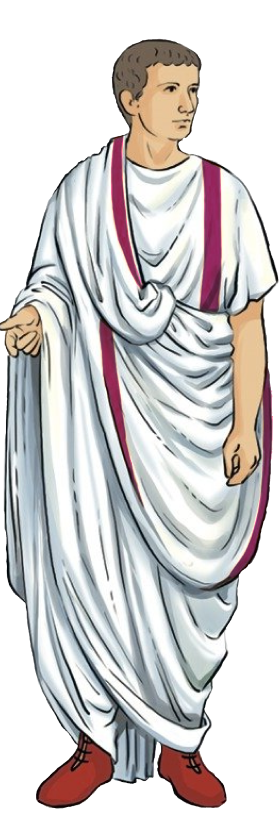
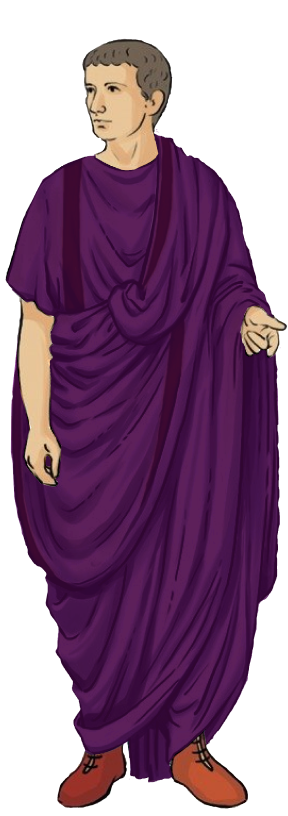
a senator
an emperor
Phoenicia was an ancient state on the eastern coast of the Mediterranean Sea. As early as 2 thousand years B.C., the Phoenicians were trading with Egypt, and in the 1st century B.C. they became part of the Roman Empire as part of Syria.

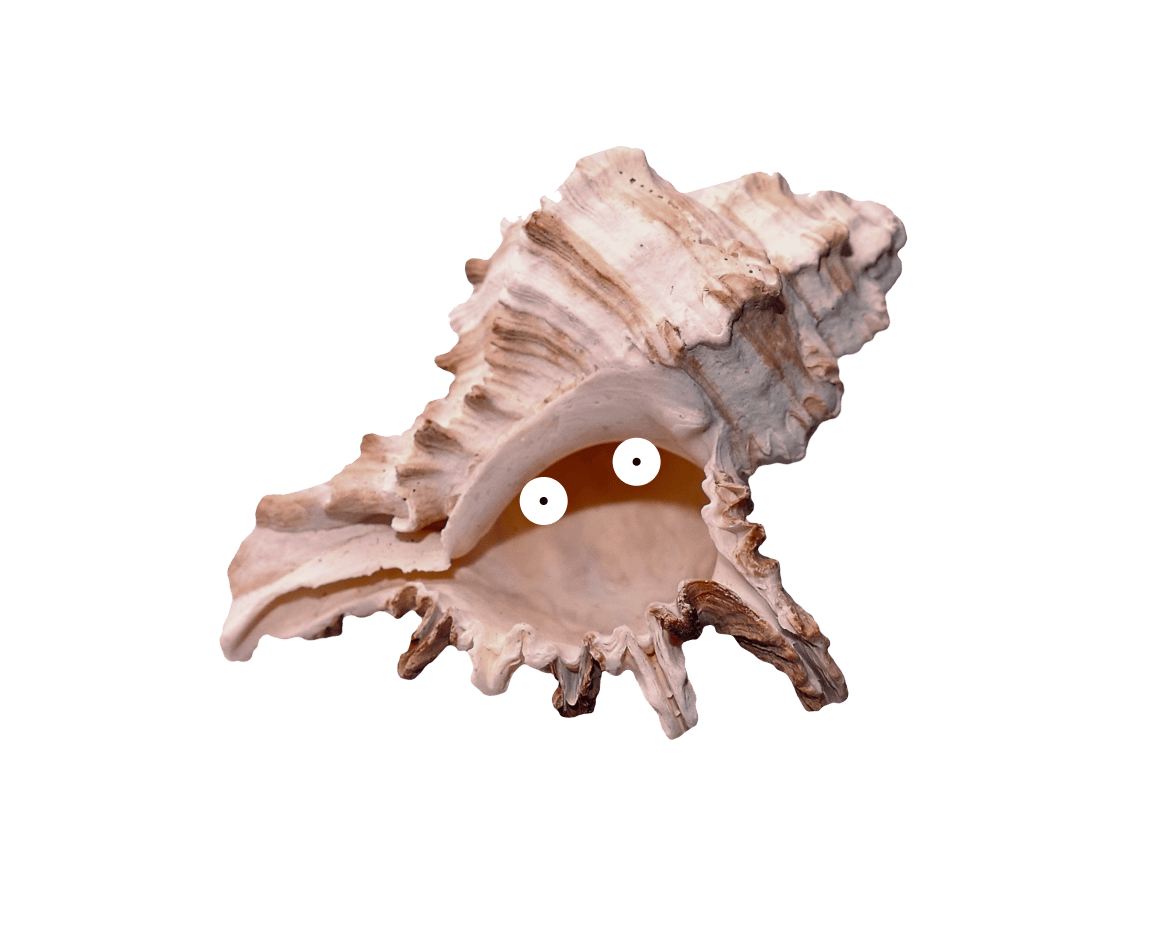
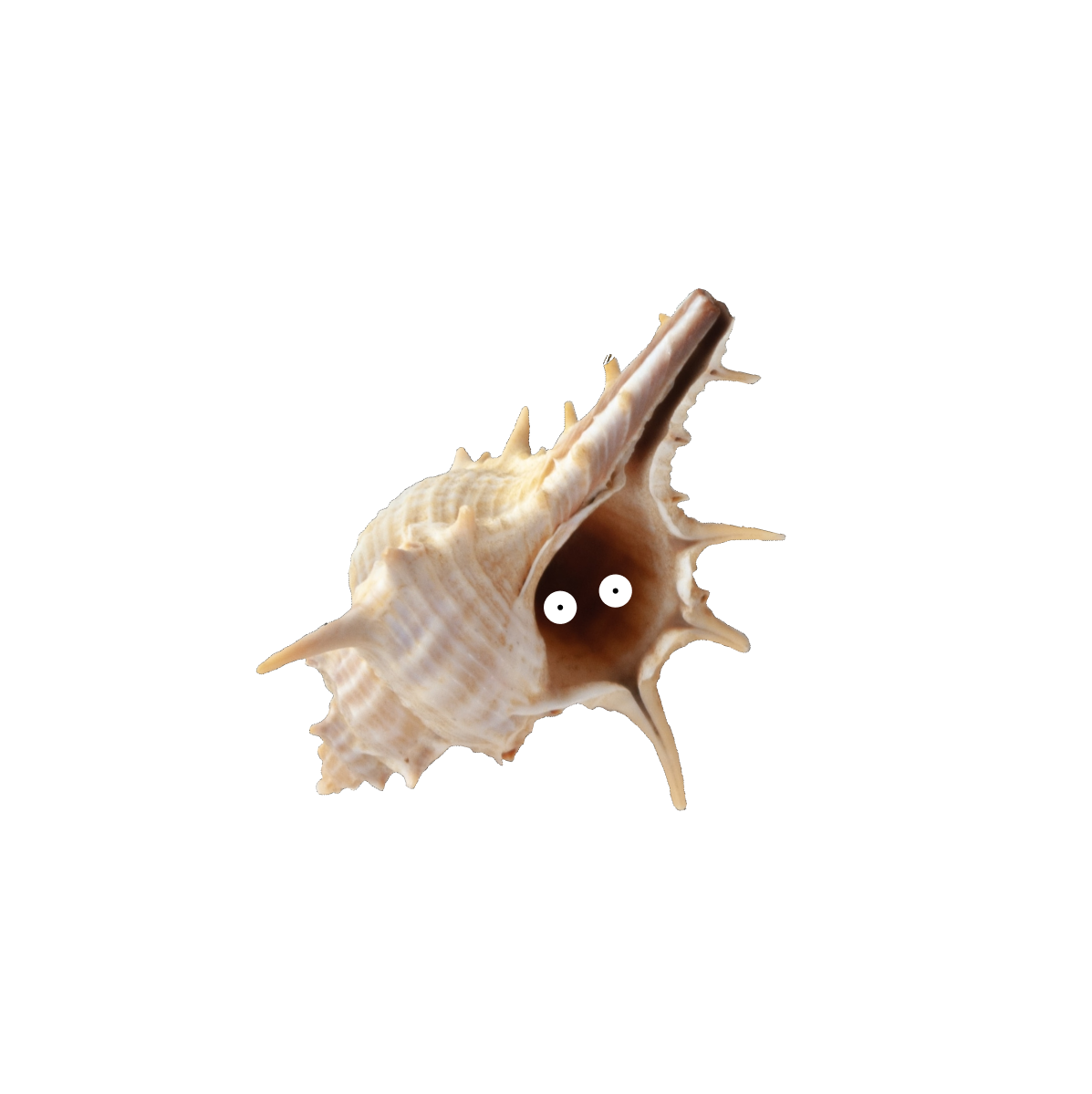
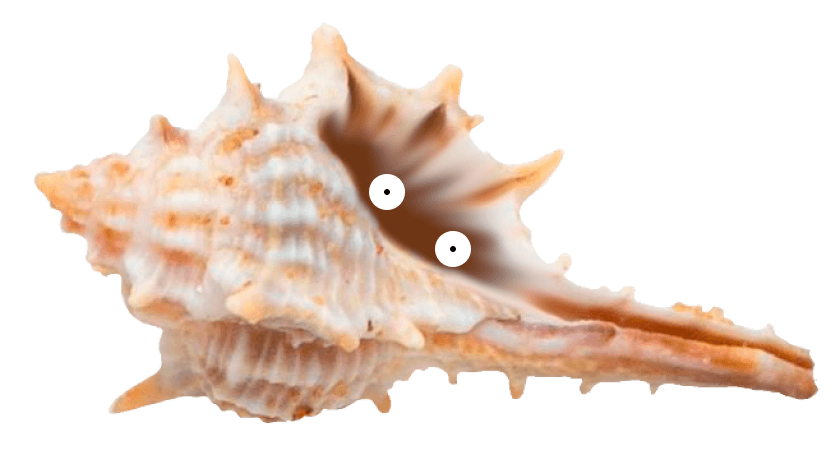
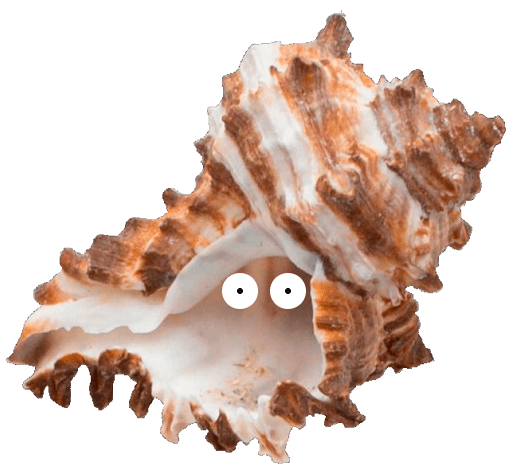
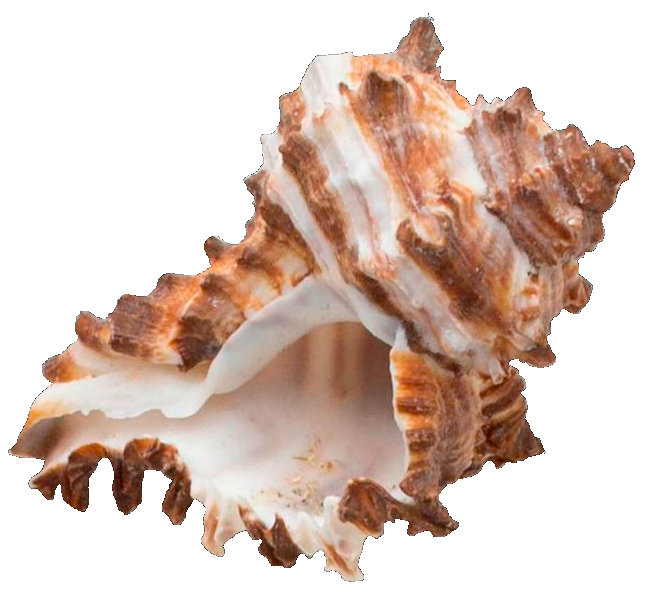
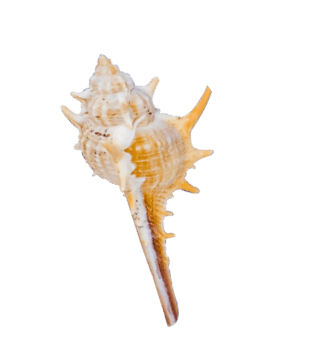
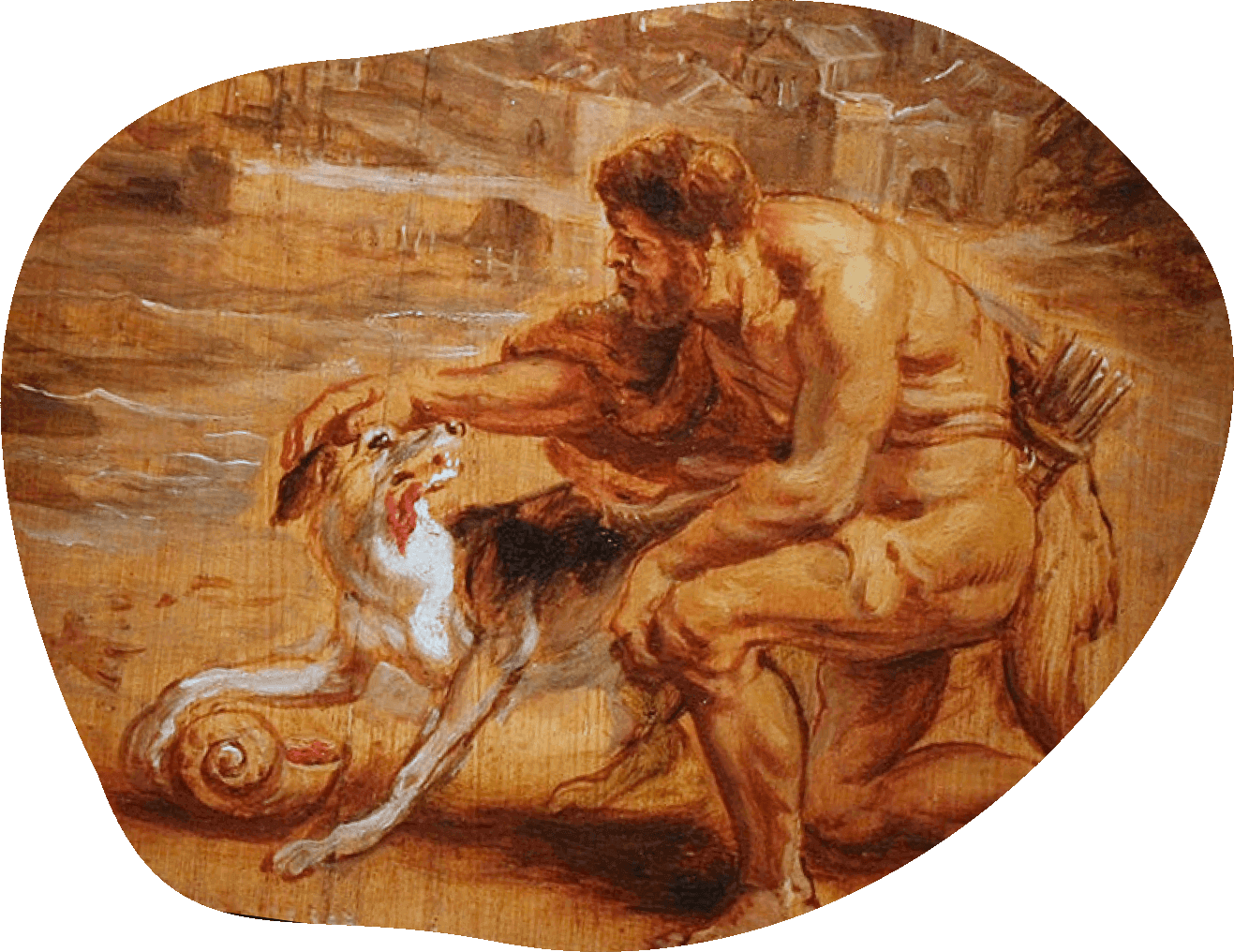
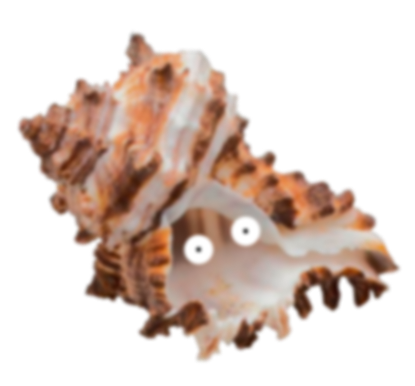
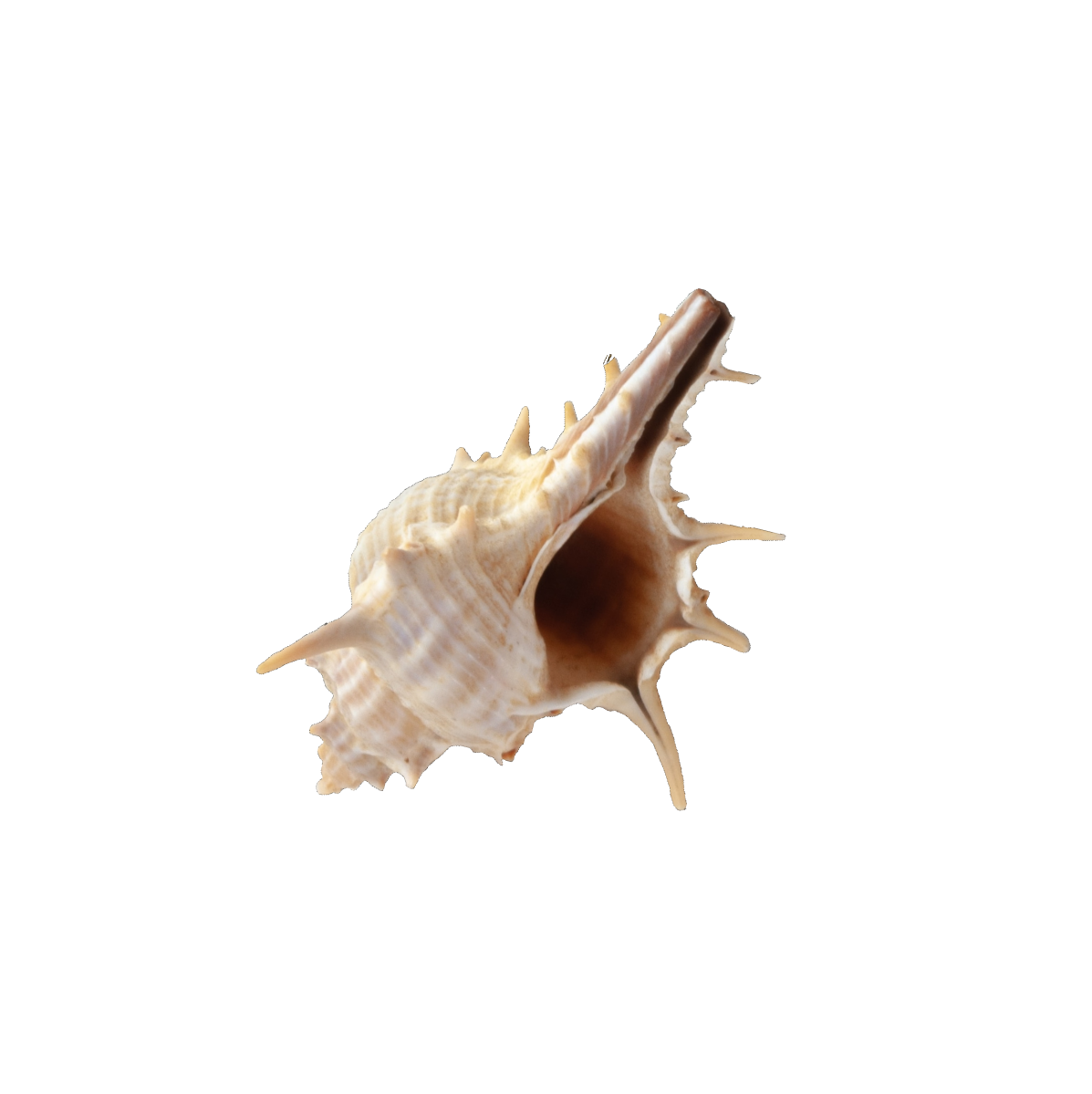
The Phoenicians had their own legend about the discovery of purple dye: once Melkartes (Heracles for the ancient Greeks), the patron god of navigation and the city of Tyre, was walking along the shore with his dog. It bit one of the shells and its mouth turned purple. The god liked the colour so much that he shared the secret of dyeing with people.




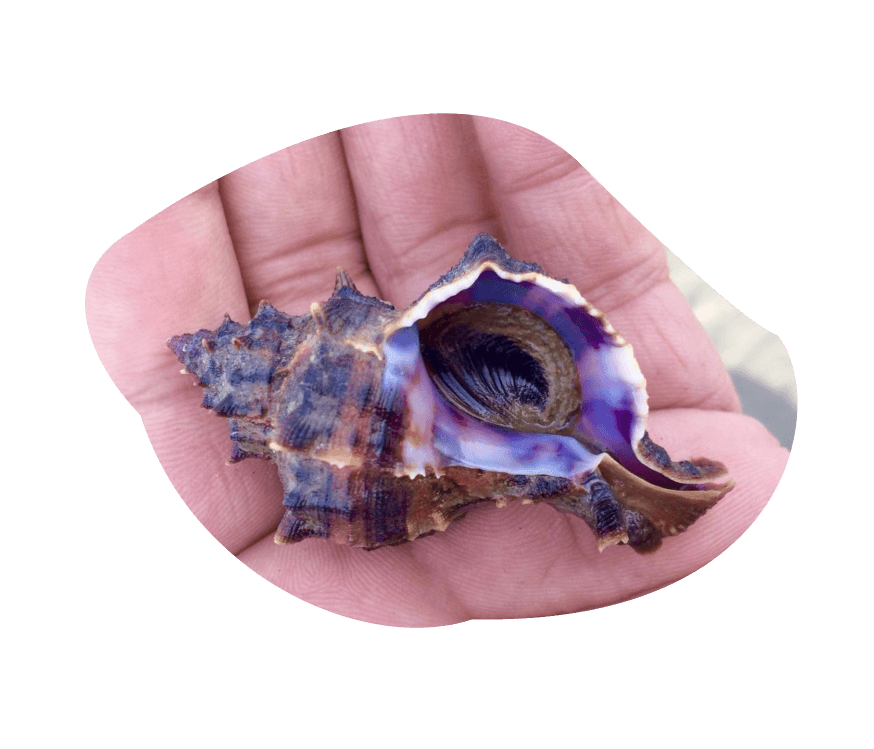

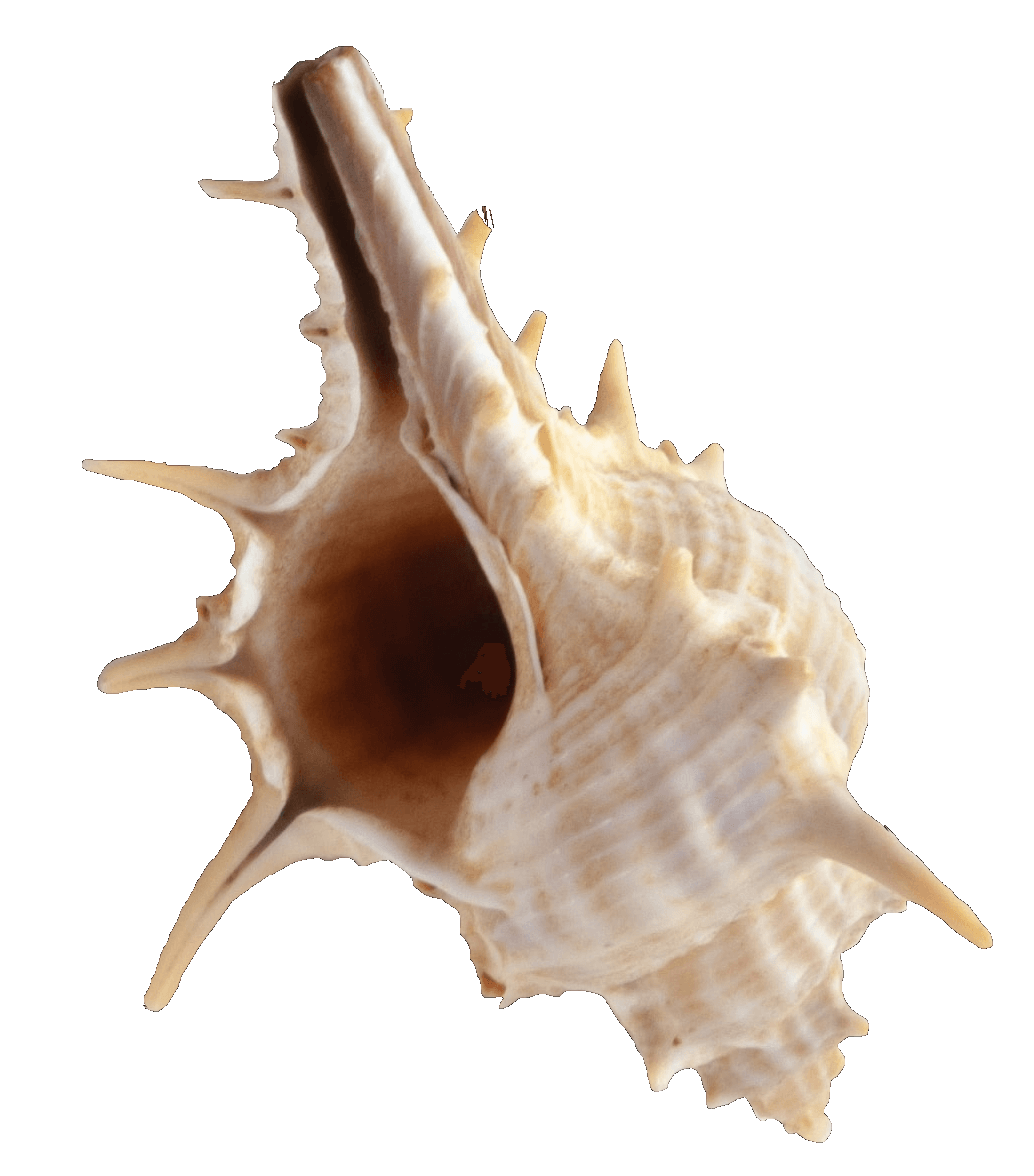




The production was so stinky that the dye houses were located outside the cities, and men who did not want to leave the craft struggled to find a wife willing to tolerate the smell of rotten eggs that they soaked in at work.
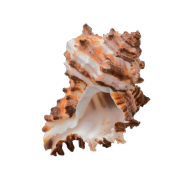
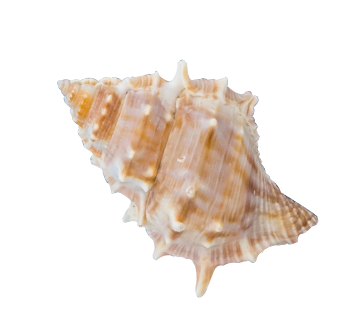

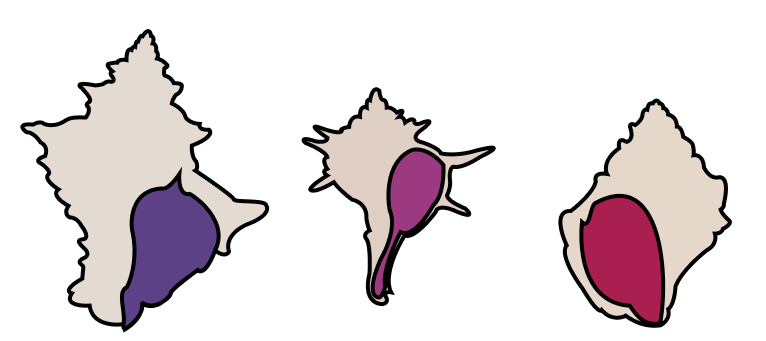
Depending on the species of mollusks, the proportions of dyes, and the time of dyeing, the fabric could be lilac, bright red, and bordeaux.
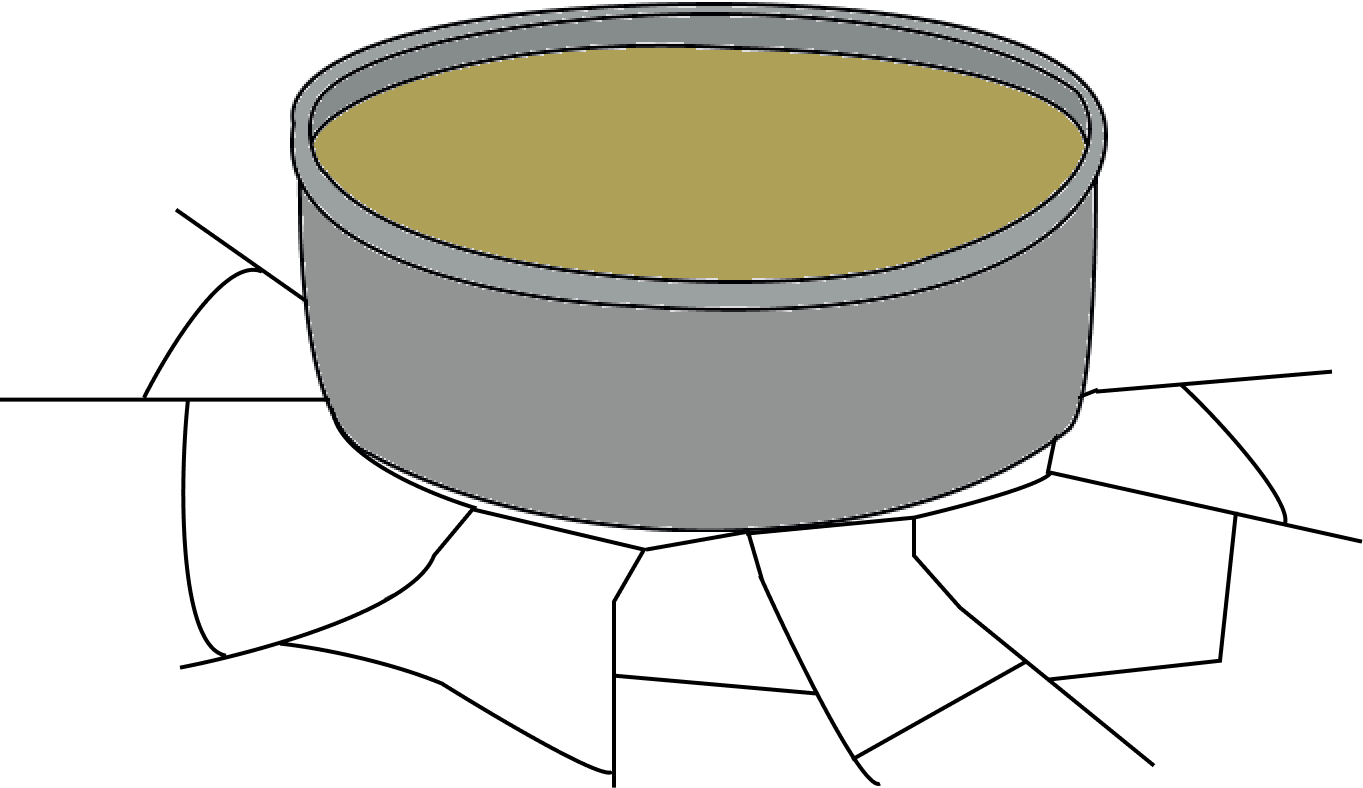
Manufacturers strained the liquid and continued toheat it until the wool dipped in it acquired the desired shade.


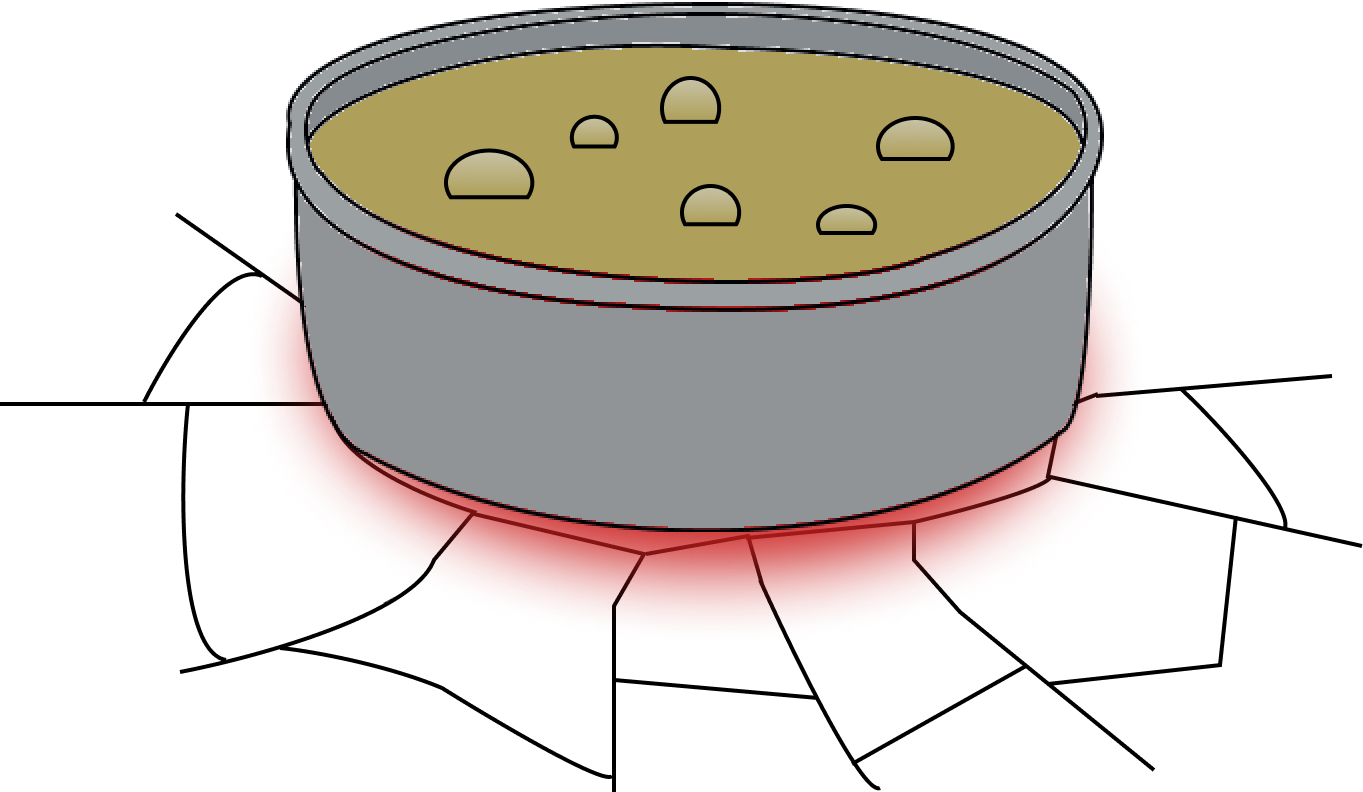
Then they were boiled in lead tanks for about 10 days.


The shells were discarded and the clam meat was kept in salt water for 3 days.



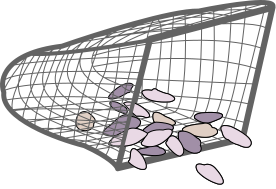
At first, the snails were caught with other shellfish as bait.

The process of creating purple dye was described by the Roman encyclopedic writer Pliny the Elder. It included several stages.
Process
Pliny the Elder, a military leader and statesman, lived in the first century. In his work "Natural History" he structured and described the knowledge available to him at that time about the structure of the world.
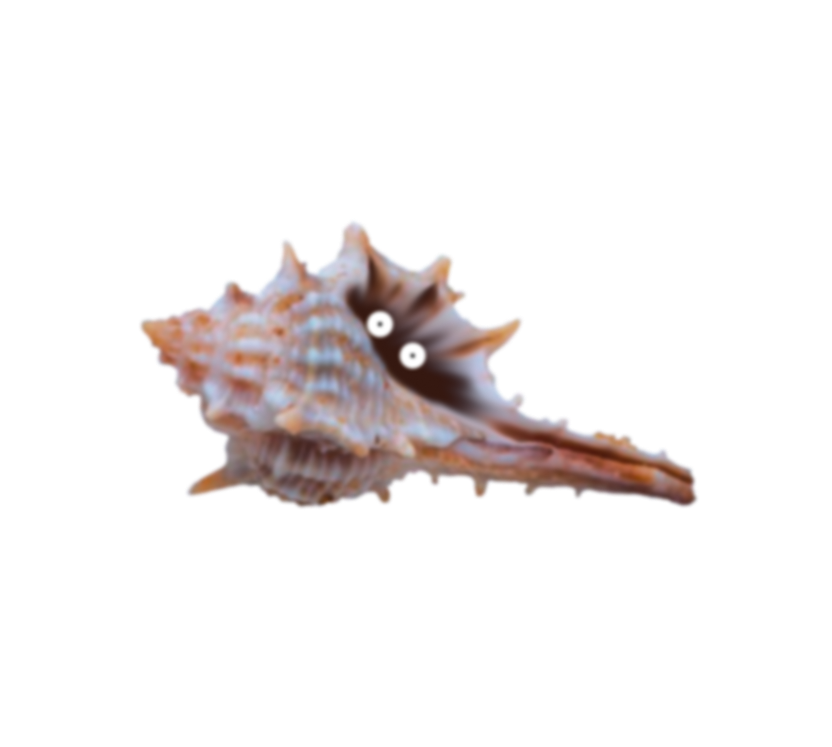

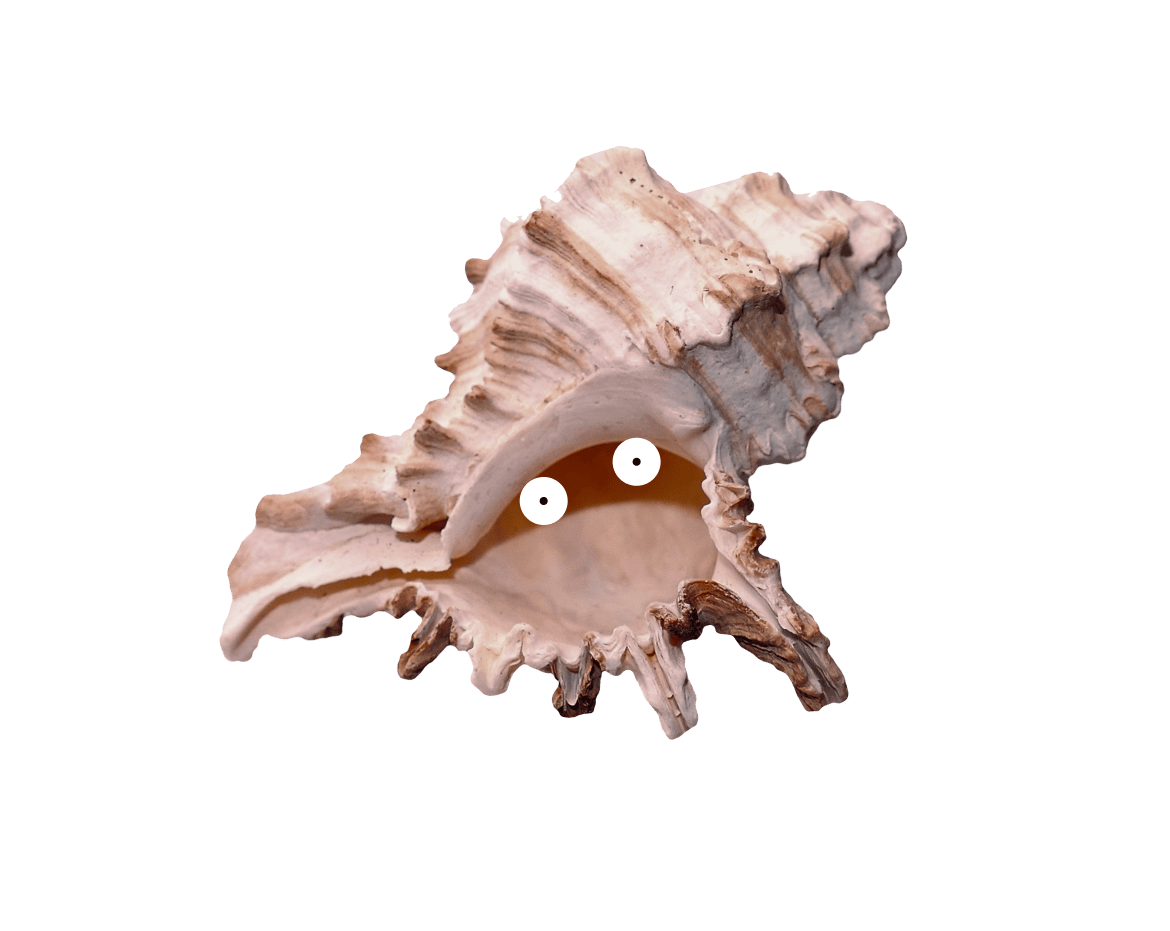
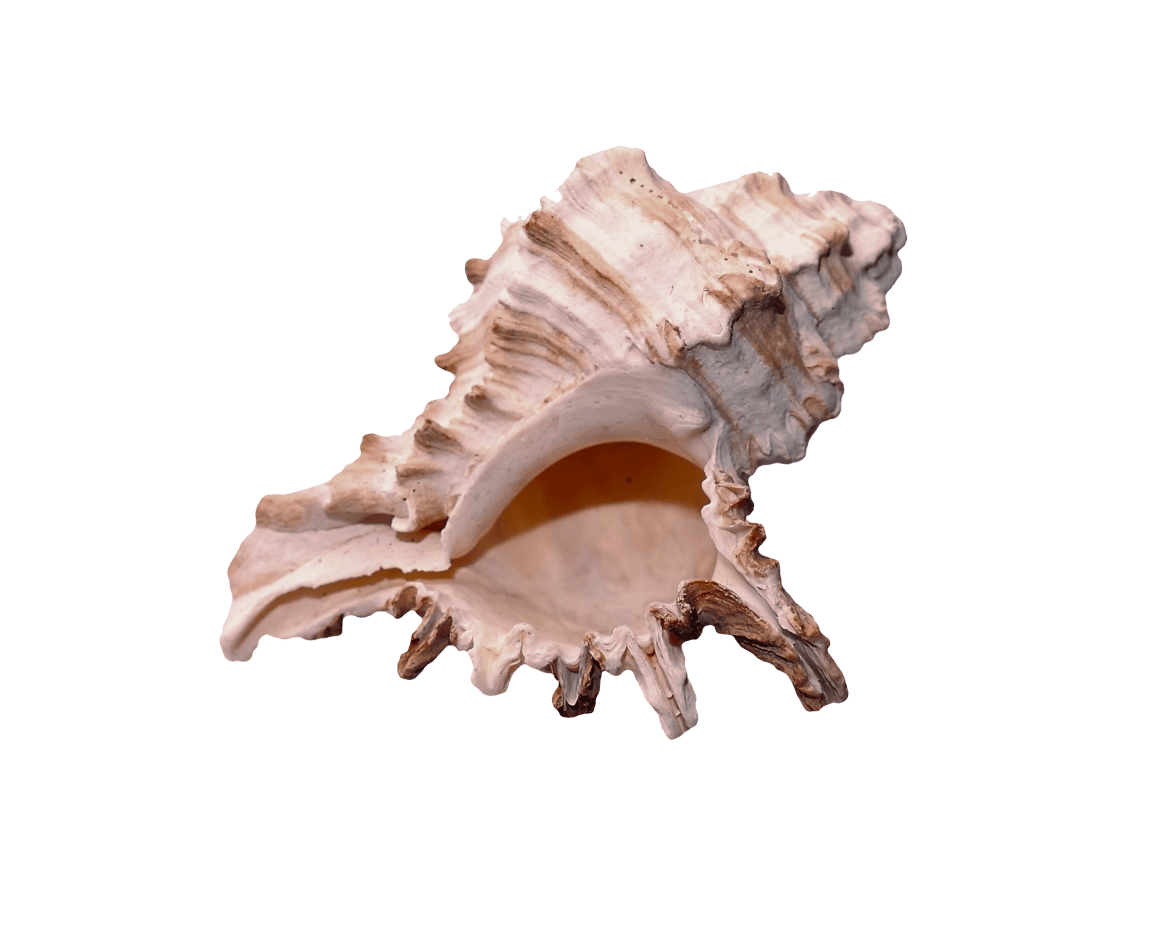
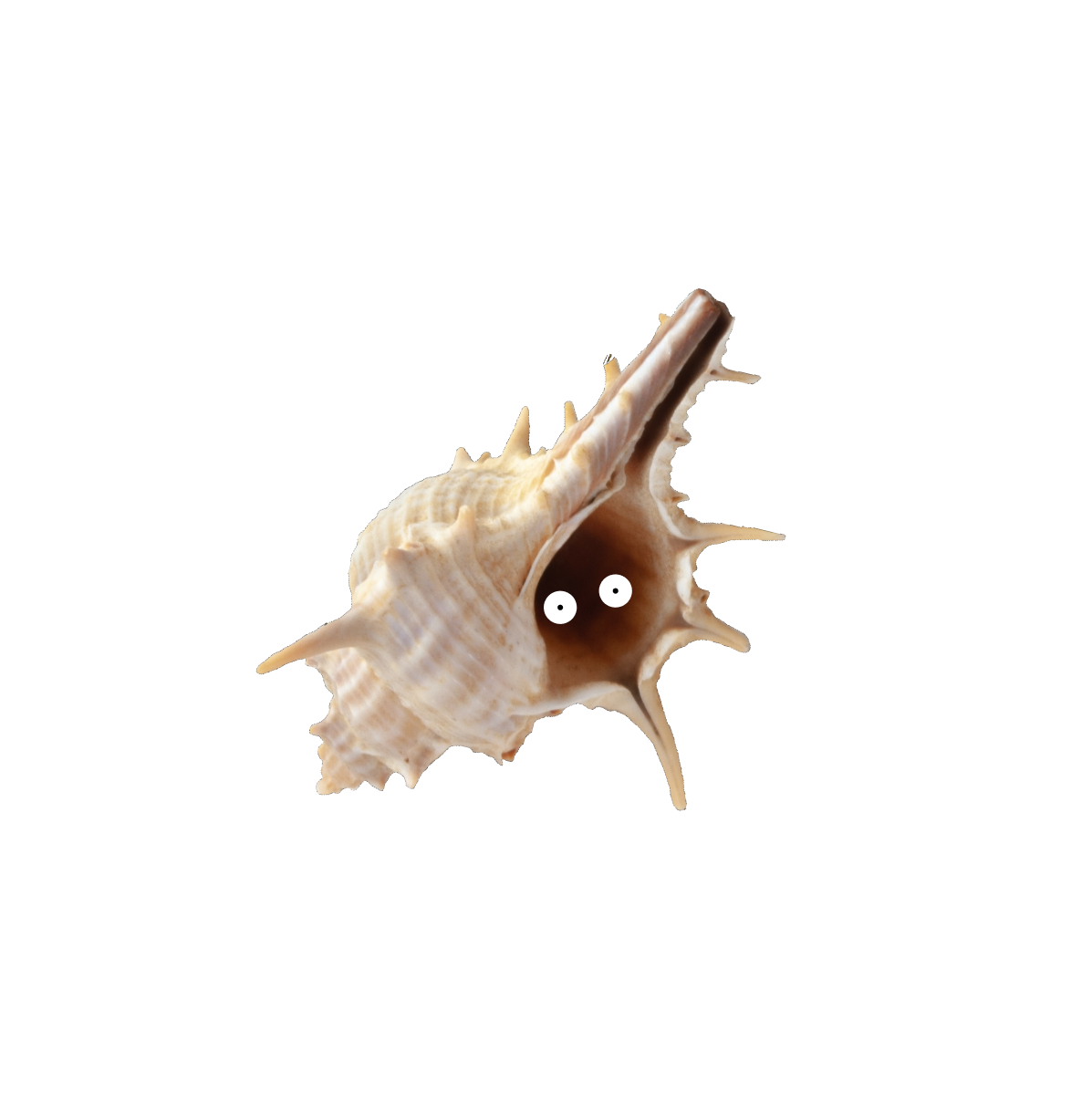







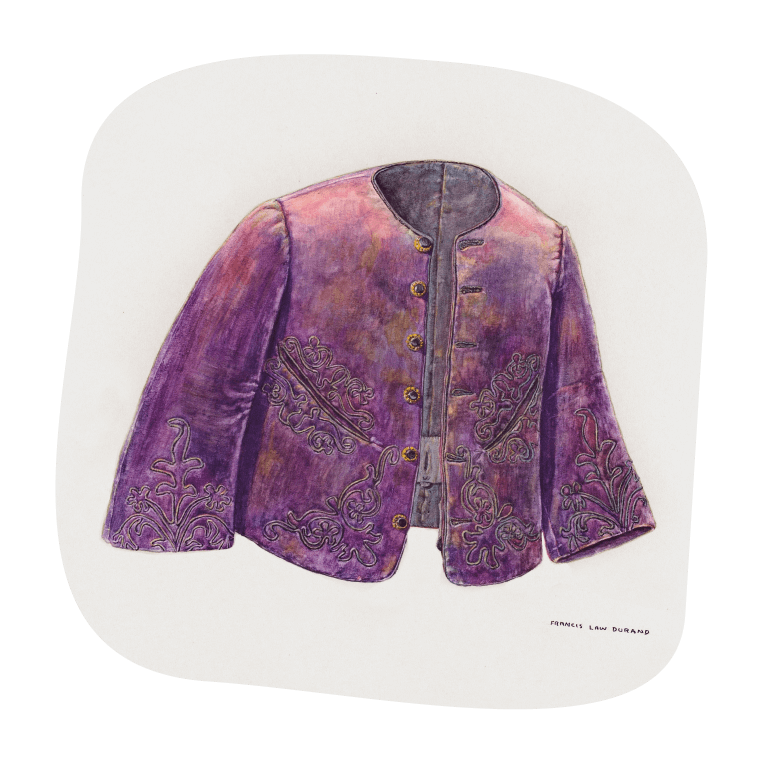

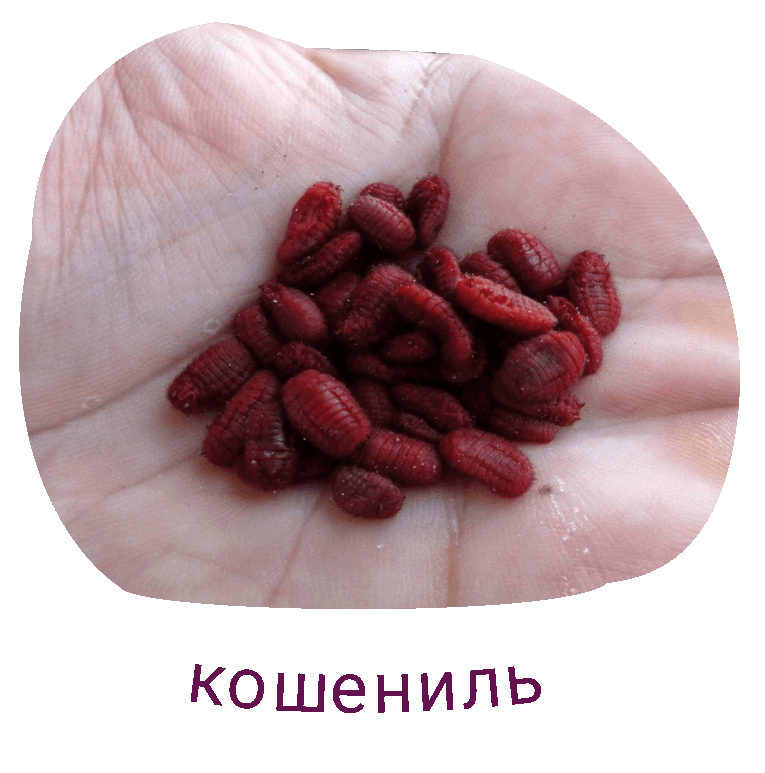

Люди пытались получить аналогичный цвет другими способами: из растений и насекомых-вредителей, но окрашенные ткани были других оттенков и выцветали быстрее.
Fortunately for the shellfish — and unfortunately for the upper classes — many of the techniques were forgotten following the collapse of the Roman Empire, and after the fall of Constantinople in 1453 the secret of purple making was finally lost.
Decline and rebirth
Over time, scientists discovered new ways to produce dyes, including through synthesis.
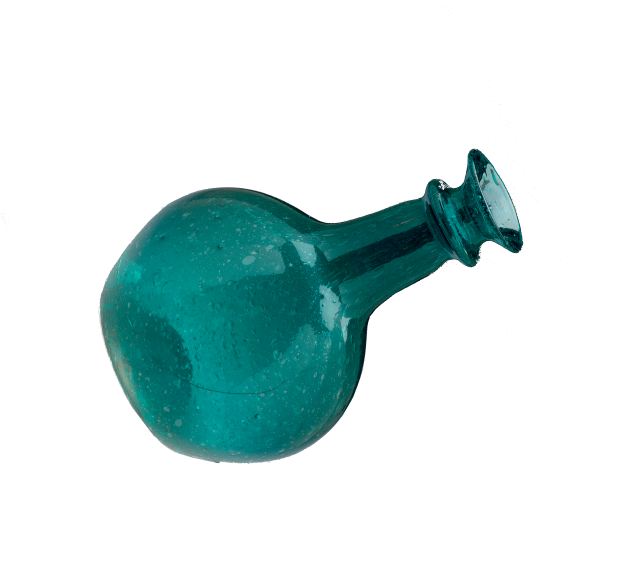
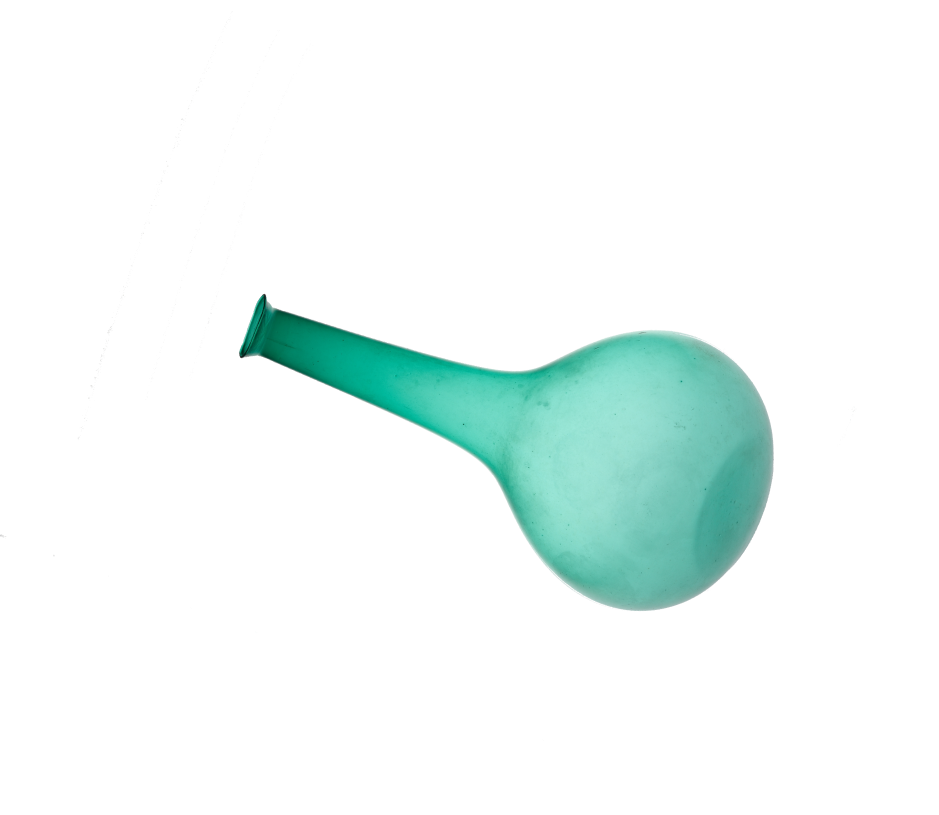

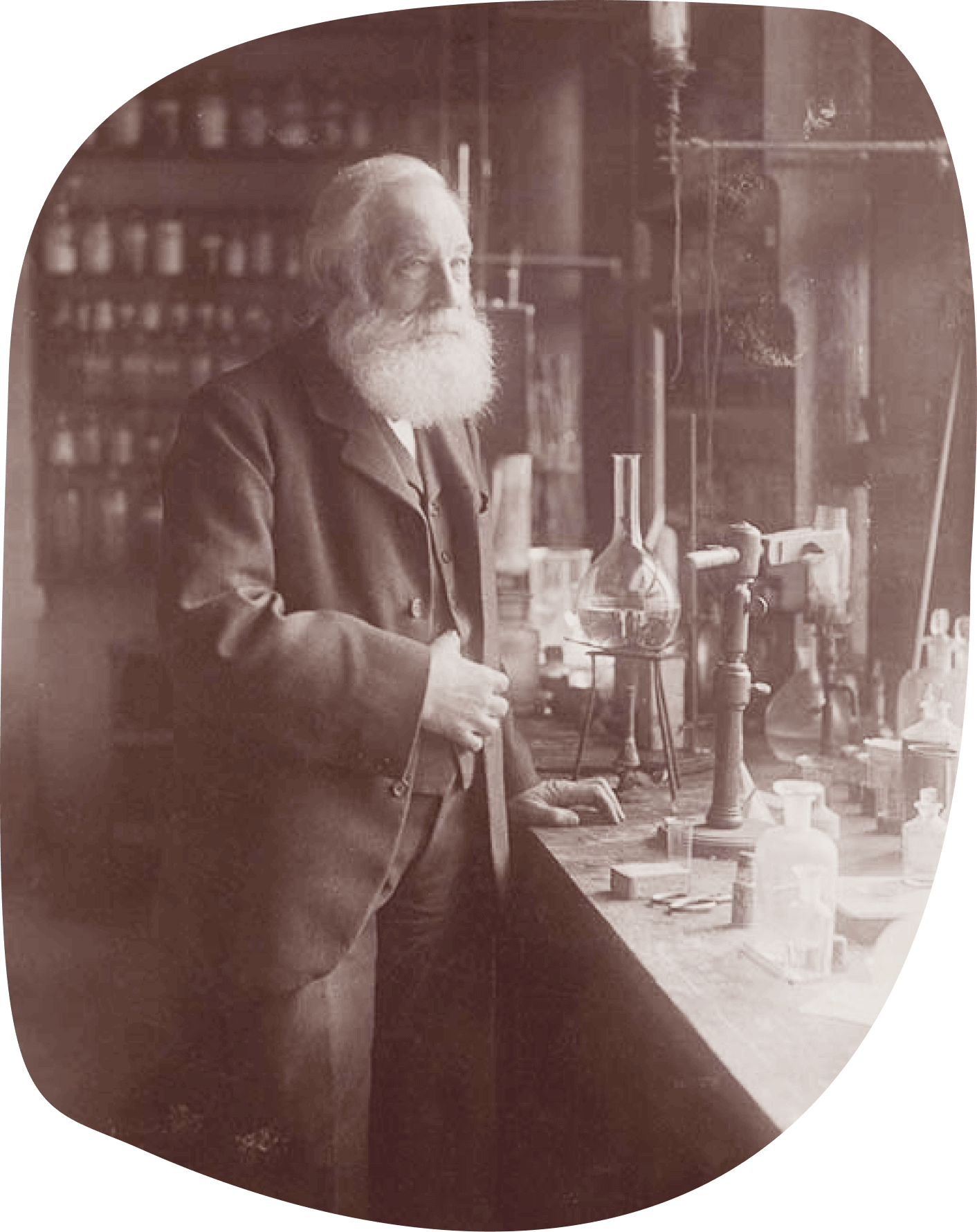
In 1856, English chemist William Perkin patented the world's first synthetic dye, which he called mauve (mauve in English means "pinkish-lilac, purple").
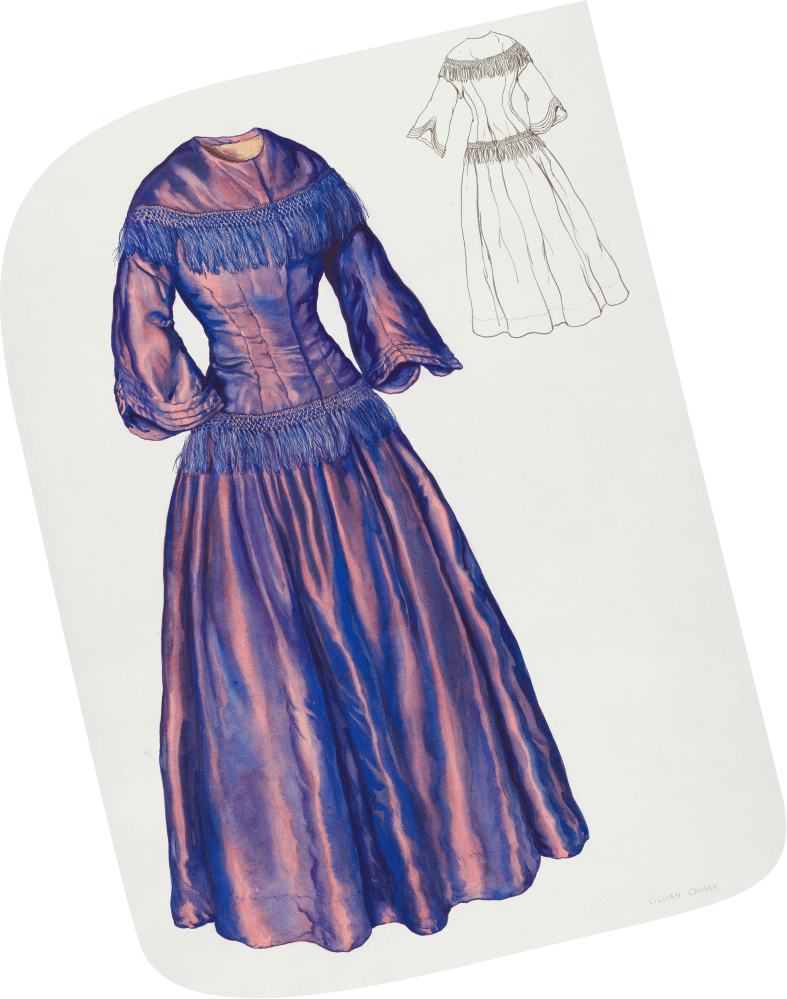
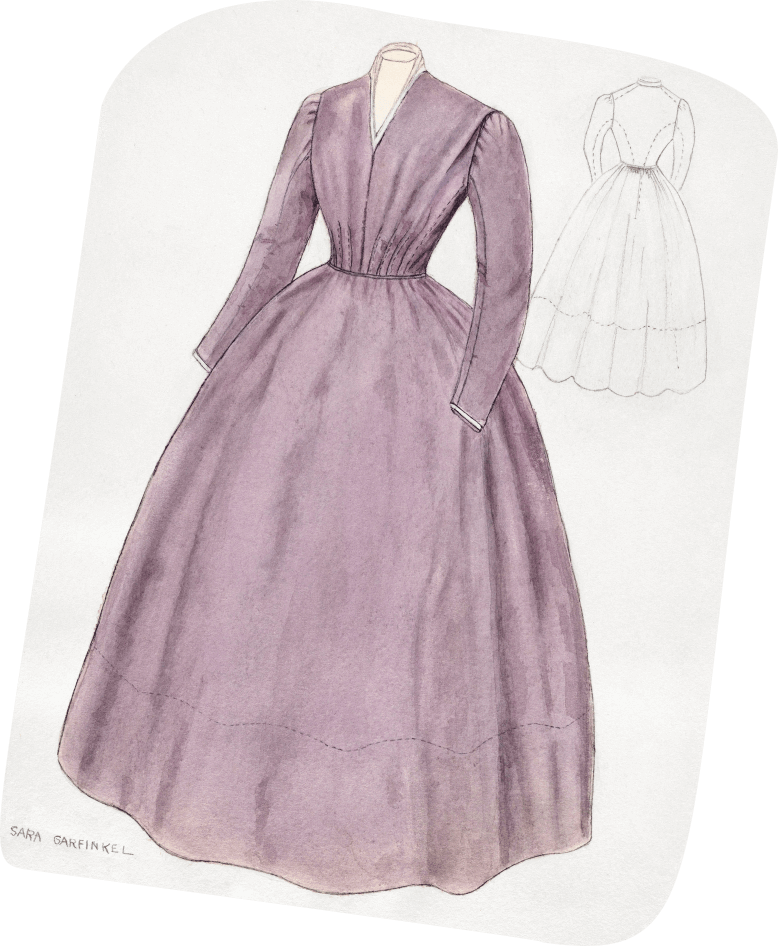
Very soon, fabrics in blue, purple and violet shades became much more affordable. The purple color came into fashion among ordinary people and still inspires luxurious looks.

Marina Gromova
Design, layout and animation by


A non-profit project